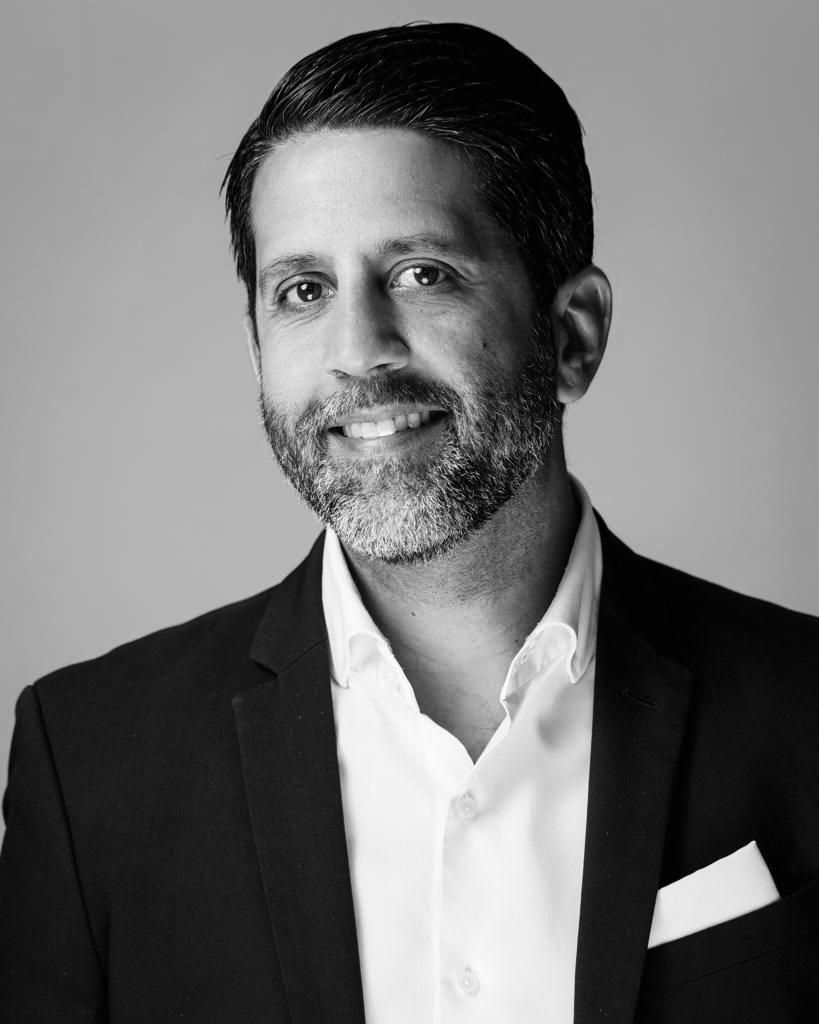

For me, Strategy is a deliberate, iterative, and continuous process of aligning values, capabilities, and resources, given a market/context, to create and sustain a chosen growth path toward an aspirational future. Strategy is therefore a function, not a plan or a project. By definition, “function” has several meanings, each of which illustrates what strategy is. As a noun, it denotes the job to be performed and the purpose of something. In mathematics, a function maps inputs to outputs, revealing relationships between resources and results. In computing, a function is a code block that executes a specific task — print, insert, delete, and so on. A function also refers to a gathering or social event. As a verb, to function simply means to perform, to carry out what needs to be done. Taken together, function implies purpose, continuity, community and internal execution. In contrast, projects are time‑bounded, temporary, and tend to adopt a finite mindset rather than a growth mindset. They usually run parallel to day‑to‑day operations and are often executed individually or by ad hoc teams. For strategy to deliver the growth path it should, it cannot be an ad hoc, time‑bounded plan. It must become part of the company’s day‑to‑day DNA. When asked about the deliverables of a strategic plan, presentations and documents often come to mind; when asked about the deliverables of a strategic function, look instead to changes in daily operations — new mindsets, increased capacity, coherent organizational structures, added features, new products, captured market share, market expansion, and M&A activity, among others. The strategic function incubates initiatives that drive operational change and embeds them into day‑to‑day activities to set the course for the company’s target growth trajectory. Lasting growth arises from internal transformation, not from peripheral efforts that never become part of the organization’s core operations. If strategy is not treated as an ongoing function, it will eventually revert to a finite, low‑value‑creating task. - José Arroyo Sinfonica Founder

See how Sinfonica Strategies helped a Puerto Rico brokerage standardize Commercial work, improve visibility, and prepare a pilot rollout.

How Sinfonica Strategies helped a Puerto Rico insurer turn strategy into KPIs, clear ownership, and an executive rhythm leaders could run.

See how Sinfonica Strategies helped a Puerto Rico hospital standardize RFP decisions and plan Fiix. Turn reactive facilities work into clear governance.

Price increases aren’t growth. Read Josean Arroyo’s view on why Puerto Rico’s private sector must create real value and invest for lasting prosperity.

Some say, “Don’t follow your passion, follow your talent.” While originally aimed at individuals, this principle is equally applicable to organizations. Today, many companies, particularly private ones, struggle to clearly define their core “talent.” They often lack a fundamental understanding of what truly differentiates them in the marketplace. A company’s talent is the foundation of its existence and competitive advantage. Periodically, organizations should pause and engage in entrepreneurial reflection. Executive teams should revisit the entrepreneurial process their founders undertook, while imagining they are currently in a similar early-stage process, asking themselves: What is the idea being developed? What problem are we solving in the marketplace? Why will customers choose us over others? When it comes to strategy, a company’s core talent must be at the center. Developing a coherent strategic direction is challenging without a clear understanding of what the organization does best. Strategy should leverage a company’s strengths, guiding capital allocation toward initiatives that maximize shareholder value. Companies that lack clarity about their core talent often misallocate resources to projects that fail to deliver expected returns. While some of these investments, “home runs”, may generate short-term gains, they rarely contribute to sustainable value creation and often detract from the company’s core competencies. Trophy investments are often a misstep in this regard. Many organizations, both private and public, engage in acquisitions that appear glamorous and generate buzz but, in reality, often lead to value destruction: diluting margins, weakening balance sheets, and adding unnecessary pressure on management and staff. Had these companies conducted a thorough “what is our core talent?” assessment before executing such transactions, many of these poor investments could have been avoided. Remember, your true talent is not just what you believe you're good at, but what you are actually being paid for. -José Arroyo Sinfonica Founder

For many years, Puerto Rico has had a culture and economy anchored in a “Fixed Income” mentality. The Puerto Rican investor, from the wealthiest to the poorest, has always paid attention to fixed-rate returns (often incentivized by tax programs) more than to returns from capital growth. The financial culture of the country was and possibly still is centered around loans and low risk tolerance. It seems interesting to me to think about how this financial approach has permeated the professional culture of our island, assuming the argument is not the other way around. Today, the private sector in Puerto Rico boasts professionals with extensive technical talent. However, our private companies and society in general appear to lack the necessary competencies that could move us from “Fixed Income” to “Growth.” Our society is short on leadership skills which I associate with the principle of risk. To be a leader, one must step forward before the rest. It requires demonstrating and illuminating uncertain paths while motivating the group with the prospect of future returns. A good leader must delegate while taking the risk that some may not execute as expected, but never subsidizing inefficiency through the relegation of empowerment. Let’s not confuse the leader who is attentive and maintains oversight of important KPIs with a "micro-manager." The "micro-manager" is typically not a leader and, worse yet, does not facilitate growth, does not take risks, and falls into a state of self-importance that even obstructs his or her own development. Much of the of the lack of leadership and consequently lack of growth of our private sector arises from organizational structures anchored in the over-valuation of technical skills, but lacking the development and measurement of "Soft Skills." This culture of little investment and lack of growth mindset aligns with our “Fixed Income” mentality. This does not mean that our private sector is not profitable. On the contrary, our private sector enjoys significant cash flows that generate wealth for its owners. However, that is precisely the problem. The “Fixed Income” mentality, coupled with sufficient recurrent income, stifles the appetite for growth and risk tolerance, hindering investment in talent and leadership development, which might seem like unnecessary “overhead.” Our “Fixed Income” mentality not only affects our private sector. Likewise, we constantly instill in our youth the importance of specific careers, without emphasizing the importance of qualitative skills and the risk/return relationship in everything they do in life. I do not mean to separate one career from another and push riskier paths over others. But there must be a stronger emphasis on educating skills associated with a growth mindset, not just economically, but personally. There is a need to emphasize and teach risk as a key tool for development. In short, I believe that our financial and professional culture, anchored in little risk tolerance and fixated on the concepts of “Fixed Income,” is poison for the development of the leadership skills necessary to drive the growth our island needs. We must break out of that vicious cycle and be the leaders we are not. We need to invest in the development of our people and our children and create a mindset of leadership and growth. Let us take risks to achieve growth and not expect “Fixed Income” to provide it. -José Arroyo Sinfonica Founder

Strategy is more than just planning, it's thinking, taking risks, and engaging in meaningful dialogue. To carve out a clear and effective strategic path, companies must dedicate time to genuine conversations among their leaders. While data-driven insights are valuable, the true essence of strategy emerges from the exchange of ideas and challenges during these discussions. Though tools like spreadsheets and presentations can support the conversation, they should never distract from the core of authentic dialogue. Every leader participating in these strategic conversations, what I prefer to call "strategic dialogues", should allocate the necessary time to ensure depth and quality. Good conversations don’t happen in a rush; they require active listening, reflection, and healthy debate. The goal is to arrive at insights and visions that did not exist at the outset visions that reflect and promote company's growth at all levels. A good strategic conversation is often enhanced by a reliable whiteboard. There comes a moment when visualizing ideas and futures on a whiteboard helps clarify complex thoughts and fosters shared understanding. Ultimately, these conversations build a shared story and narrative, one that is easy to articulate, inspires change, and sustains momentum. -José Arroyo Sinfonica Founder